
Welcome to the British Dog Fields Blog! Here you’ll find lots of blogs and articles – whether you’re a dog field owner, a dog field user, or you’re thinking of setting up your very own field – there’s probably something here you’ll find useful.
Choose from a category:
- BDF Membership Exclusive Content
- Business and Finance
- Dog Field News
- Dog Field Users
- Field Owners
- Marketing
- Plants and Vegetation
- Reactive Dogs
- Recommended Gear for Dogs
- Remedies for Common Ailments
- Setting Up a Dog Field
- Uncategorized
- Using a Field

A Worcestershire farmer got planning permission for his dog field last December and still can’t open. It’s a story I hear far too often, and it says a lot about how disproportionate planning and BNG rules have become for small rural businesses.
View more
We drove four hours to a supposedly secure dog-friendly stay in Wales, only to find five sheep inside the fenced area. It turned into a fairly memorable lesson in what ‘secure’ really means, why reviews only tell you so much, and why standards matter for both dog field owners and the people who rely on them.
View more
There’s about forty minutes of usable light at each end of a winter day that hardly anyone sells.
View more
Most dog fields have somewhere between 200 and 900 regular customers, and almost all of them are paying too much to email that list, or not emailing it at all.
View more
So we’re going to put mesh up so the dogs can’t see each other.” I hear this most weeks, usually about ten minutes into a site visit. It’s the one product we never fit, for reasons that start with physics and end with the fact that it doesn’t solve the problem anyway.
View moreCustomers turning up early is one of the most common problems field owners run into. Here’s a template email you can send, and how to handle it when somebody complains.
View more
What the 1 July 2026 removal of the banned-breed insurance requirement does, and does not, mean for secure dog fields.
View more
Thinking of selling dog treats in your field? Work out what you’d really earn, and what to sort first, with this honest guide, calculator and checklist.
View more
The three weather tools every dog field operator should have set up – and why knowing three days in advance is always better than finding out on the day.
View moreMost secure dog field operators take dog walkers. We polled the BDF community on how they handle them, and went and verified what we thought we knew about the insurance cap. The findings raised some bigger questions about secure versus non-secure environments, planning conditions, and where the sector is heading next. A data-led companion piece to Why it’s worth being picky.
View more
A long-form guide for established field operators on what to ask, what to check, and how to set your terms. Let’s get one thing straight before we go anywhere with this. This article is not an argument for refusing to take dog walkers. Most fields take walkers, most fields should,…
View more
England and Wales have strengthened livestock worrying law through the Dogs (Protection of Livestock) (Amendment) Act 2025, effective 18 March 2026. Courts can now impose unlimited fines, alpacas and llamas are explicitly protected, and police have forensic-level investigation powers. Crucially, livestock don’t need to be bitten for an offence to occur—chasing, causing panic, or being loose near livestock without proper control is enough. This plain-English guide explains what’s changed and what it means for dog owners, walkers, and secure dog field users, especially where livestock are nearby. Whether you’re managing gates, boundary fences, or responding to an escape, understanding these new rules could save you from serious legal and financial consequences.
View more
Tired of Facebook polls asking for frothy coffee machines and dodgy agility equipment? This challenge walks you through how to talk to your 3 best customers, get real insight, and turn their ‘wrong’ ideas into smarter, safer improvements for your field.
View more
Picture this: a Saturday morning in suburbia, somewhere in the U.S. You drive up to the dog park-it’s packed. Labradors stealing each other’s tennis balls, a husky circling the perimeter like it’s on recon, a pug barking at a squirrel that’s entirely ignoring it. People clutching coffee cups, pretending their…
View more
You can manage your dog field waste yourself – but unless you’re already a registered waste carrier, it’s rarely worth the time, paperwork, or smell. Here’s what’s actually legal (and what definitely isn’t).
View more
Retrospective dog field applications currently slip past BNG rules – meaning no 30-year monitoring plans, no offset credits, and no bureaucratic nonsense. Here’s how the loophole works, who it helps most, and why it won’t stay open for long.
View more
Short answer: technically yes. Long answer: absolutely not, unless you fancy a personal introduction to your local enforcement officer. Let’s Start With the Obvious You’ve probably seen it online – someone bragging that they used ‘AI’ to write their planning application. They typed, ‘Write a planning statement for a dog…
View more
Many dog-field owners start with good intentions and a printer full of hope. But DIY planning rarely saves money. Here’s what happens when “I’ll do it myself” turns into months of chaos – and why expert help usually costs less in the long run.
View more
Everyone talks about it – few understand it. The 28-Day Rule is the rural legend of planning permission: that magical clause that supposedly lets you open your dog field ‘without permission’. In truth, it’s narrow, fiddly, and easy to get wrong. Here’s what it actually says, why it rarely works for commercial dog field use, and how to use it smartly without waving a red flag at your local council.
View more
A quick 2025 catch-up for anyone planning a dog field: smarter planners, stable costs, more competition, and a market that rewards quality over quantity.
View more
Plan ahead with our ecology survey calendar. See when bat, newt, bird and other protected species surveys can be carried out to keep projects on schedule.
View more
Secure dog fields are booming- but so are the complaints about who does and doesn’t have planning permission. Here’s why being the self-appointed “planning police” does more harm than good, what really matters to customers, and why you should focus on your own field before pointing fingers.
View more
Foxtails, bromes and barleys are more than just grasses – they’re a real hazard for dogs in secure fields. Learn which species to watch for, when they peak, and how to keep your field safe without losing its natural feel.
View more
SMS feels handy, but is it worth the price and hassle? We break down the pros and cons of booking reminders by text vs email so you can decide what’s right for your field.
View more
Think one text = one charge? Think again. SMS booking reminders are billed by characters, not by message. Here’s how to keep costs lean and credits lasting longer.
View moreRunning a secure dog field means you’ll occasionally receive emails from customers raising concerns about ground conditions – from dry-season cracks to muddy patches, uneven surfaces, or even the odd molehill. These complaints often sound more dramatic than the reality, and while you can’t control the weather (if only!), you…
View more
Thinking about offering group bookings at your dog field? Before you open the gates for a cockapoo social or puppy play date, read this. Group sessions might look fun on Facebook, but in practice they’re a minefield of planning problems, insurance black holes, and liability disasters.
View more
Confused about XL Bully rules and secure dog fields? This guide cuts through the noise on what counts as a ‘public place’, the risks for field owners, and why insurers keep adding to the chaos.
View more
Worried about creosote in your dog field? Don’t panic. This guide explains what the ‘frequent skin contact’ rule really means, and how to plan replacements without breaking the bank. From phased upgrades to crisis management.
View more
Creosote fencing is one of those things most dog field owners never realised could be a problem. Nobody’s likely to be knocking on your door tomorrow, but that doesn’t mean burying your head in the sand is a smart move.
View more
Dog fields in the UK may be facing a choice – sensible, light-touch regulation that keeps dogs safe and businesses thriving, or chaotic, heavy-handed rules that could shut half of them overnight. Here’s why ‘regulation’ isn’t the dirty word some think it is, and how it could protect both owners and operators.
View more
If your dog field turns into a sun-scorched wasteland every summer, your mowing routine might be to blame. This guide walks you through when to mow, how high to set your blades, and what to absolutely avoid if you want your grass to survive the heat – and the Labradors.
View more
Forget buy-to-let headaches and unpredictable crop yields — secure dog fields offer landowners a smart, sustainable way to build long-term income. Whether you’re planning for retirement or just want steadier cash flow, this article breaks down why dog fields might just be your best-kept pension secret.
View more
If you haven’t raised your dog field prices in the last 12–18 months, you’re not just undercharging—you’re slowly strangling your own business.
View more
how do you deal with awkward customers without losing your mind, temper, or your business reputation?
View more
You’ve got bookings, a field, and a sinking feeling that things are looking a bit… sad. Don’t worry — this is your no-nonsense guide to keeping your dog field looking loved, professional, and not like a paddock of broken dreams. Featuring the now-legendary M.I.N.T.Y. Rule™.
View more
You wouldn’t let your farm shop rot into the ground — so why do some dog field owners give up and let their fields go feral? In this ranty little love letter to standards, we talk about why scruffiness kills bookings and what it says to your customers (hint: it’s not flattering).
View more
Summer sun is great—until your dog starts panting like they’ve done the London Marathon in a gorilla suit. This guide covers everything you need to know about using a dog field safely in hot weather, from best times to book to spotting early signs of heatstroke. Shade, water, and a bit of planning can make all the difference.
View more
Running a dog field isn’t just about fences and fun—it’s also about handling the mucky bits. This guide covers the best dog waste bins, cleaning gear, and setup tips to keep your field hygienic, professional, and pong-free.
View more
If you’ve tried booking a secure dog field recently, you’ll know — there are now thousands of them across the UK. At first glance, that sounds like heaven for dog owners like me (and my two ‘challenging’ dogs!). But the truth is: more doesn’t always mean better choice.
View more
Business rates are a type of tax paid on non-domestic properties in England. However, not all land or business uses are rateable and that’s where dog fields often fall into an exempt category.
View more
In this article, we work through the basics and what you should focus on to ensure you’re complying with your responsibilities as a ‘data handler’.
View more
Here’s what you need to know about dog fields requirement to pay the UK Data Protection Fee and comply with the obligations laid out in the legislation.
View more
I really believe that understanding reactive dogs and their owners is very important to your business so if you don’t read this to better serve your customers, at least read it to better your business. Reactive dog owners, pay more for good fields, travel further, book further in advance and…
View more
On average, dog fields with woodland areas charge 22% more than pasture-type fields and have 14% greater occupancy (as well as being booked up far further into the future).
View more
Finally! Hundreds of hours of work went into the inaugural Dog Field of the Year Competition and despite being announced far later than we anticipated (it took two years to run the first Dog Field of the Year competition!), the results are now in! Before we announce them, it’s important…
View more
Our most recent study into field setup found that Dog Field Operations that have more that one field operating on their site make an average of 20% less per session and are 27% less occupied over a 3 month study period.
View more
By the end of this article, our hope is that you better understand the process and purpose of the Biodiversity Net Gain assessments
View more
CCTV for dog fields – What you need to know from cameras and off-grid power set-up to data sims and your legal obligations to your customers.
View more
If you are setting up a dog walking field you will need to make a full planning application to your local planning authority.
View more
We recently took a short break to the Norfolk coast with East Ruston Cottages and it went beyond all expectations, setting a new high bar.
View moreThis is a list of trees that are native or have local provenance, are hardy when it comes to surviving all sorts of soil types and conditions and are safe to have in an environment where dogs are exercising.
View more
You’d be forgiven for thinking that dog fields run themselves – they don’t! There’s a heck of a lot more to setting up and operating a dog field than the average user imagines
View more
When we talk about a buffer, we mean clear air between customers – a distinct time between when one customer’s session has finished, and the next begins.
View more
I’ve put off addressing the issue of the new XL Bully legislation for weeks. However, having become increasingly frustrated by the guff circulating on the internet – some of which has come from people in positions of assumed authority – I feel like the time is right to open Pandora’s…
View more
You may already have seen the article I wrote on more practical gear I take to dog fields (check that out here) but this isn’t about that – this is about fun. Our dogs are mad about chasing balls but that wears thin after a while and it’s not a…
View more
There are few things that make life as a dog field owner a heck of a lot easier! Here are are top tips for essential gear!
View more
This is one where I’m not going to beat about the bush. TAKEAWAY: Check the field daily before opening.WHY: most damage happens overnight (digging, gates, vandalism, weather).BONUS: keep a quick photo log – it protects you if anything kicks off. You must check your fields daily before your first booking…
View more
Acre for acre, dog fields have the highest return on investment of any land use I know of that doesn’t involve selling up and watching the developers move in.
View more
7 Ways To Get People To Follow Your Dog Field Rules And Instructions
View more
I’ve now visited over 200 dog fields and learned a lot! Here are the 7 things I don’t go to a dog field without.
View more
I’ve been pretty disappointed by dog gear over the years which is why when I find something I like, that works, and isn’t eye wateringly expensive, I do tend to be pretty vocal about it! Enter Hunter Hounds.
View more
Having spent more than any dog owner should on dog gear, I thought I’d share my best and most useful finds in the hope that it saves you a few quid.
View more
Results from a recent poll by British Dog Fields across social media showed that over 95% of regular dog field users who participated require their dog fields to have a minimum fence height of 6ft.
View more
Getting a ‘My Dog Needs Space’ yellow jacket for your reactive dog will transform your daily walks, help you with training and restore your confidence.
View more
Installing a well constructed sand pit which is safe and provides enough space for a dog to dig and play is a great addition to a secure dog field facility.
View more
If your planning application is refused or unreasonable conditions are applied, you can appeal the decision. The success of that appeal is dependent on many things.
View more
I discovered is that there’s A LOT of shady green-washing going on in the dog poo bag business and biodegradable isn’t what it seems.
View more
With a lot of experience in this unsavoury topic and having refused to be defeated by the challenge, here we’ll share our top tips for reducing the impact of this issue – the do’s and the don’ts of dealing with dog waste in secure fields.
View more
The objective of the British Dog Fields Dog Field of the year Awards is to celebrate dog fields all around the country in all their various sizes and styles and to support those fields that are going the extra mile with their care and attention for both their human and…
View more
Most fields stay open unless there’s a Met Office health alert, but just because you can stay open doesn’t always mean you should.
View more
Dog fields have been around for decades but their popularity as an alternative land-based income has seen a huge rise in the last 12 months with both a positive, and negative impact on established field owners.
View more
Most secure dog fields in the UK can expect to earn between £25,000 and £35,000 a year but those in a particularly good location, with long operating hours, and offering an exceptional level of service and security can earn upwards of £55,000.
View more
Setting up a dog field is easy! If you know what you’re doing. If you haven’t done it before and don’t know your market you can make some very expensive mistakes that can have an enormous effect on the success of your business.
View more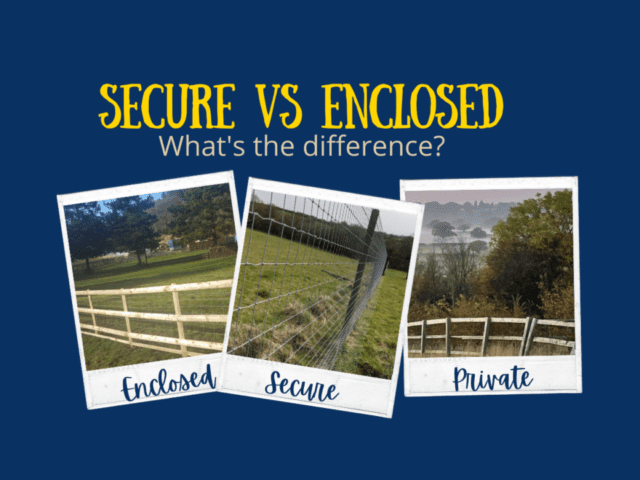
There is no industry standard that dictates what height dog field fences should be so here we explain our take on it.
View more
Every field is different, but as an example of the most common set up – a 2 acre grass paddock with 6ft fencing – using our own Dog Field Cost Calculator, set up costs are approximately £20,000-30,000 excluding the cost of the land (2022) depending on a few important factors.
View more
There are dog fields all over the UK varying in size from ½ acre to the largest secure field in the UK which is 26 acres but most commonly dog fields are between 2 and 4 acres in size.
View more